
Makeup Hygiene Tips
Simple Makeup Hygiene Habits for Healthier Skin
Your favourite makeup products may be part of your everyday routine, but how often do you think about the cleanliness of your brushes, sponges and cosmetic containers?
Even when makeup looks perfectly fine, regular use can introduce oils, product residue and microorganisms into applicators and containers. Over time, poor makeup hygiene may contribute to irritation, breakouts or other skin concerns.
Whether you wear makeup daily or save it for special occasions, a few simple habits can help keep your beauty routine cleaner and more comfortable.
For makeup users in Langley, British Columbia, here’s how to care for your products and tools without making your routine unnecessarily complicated.
Why Makeup Hygiene Matters
Makeup comes into contact with your skin, lips and sometimes the delicate area around your eyes.
Each time you use a brush, sponge or applicator, it may collect oils, dead skin cells and product residue. Without appropriate cleaning, these materials can accumulate.
Health Canada recommends washing your hands before applying cosmetics, avoiding shared makeup and storing products away from excessive heat and sunlight.
Good cosmetic hygiene isn’t about achieving a completely germ-free makeup bag. It’s about reducing avoidable contamination and recognizing when products or tools need attention.
1. Clean Your Makeup Brushes Regularly
Makeup brushes are among the most frequently reused tools in a beauty routine.
Foundation, concealer, blush and eyeshadow brushes can gradually collect product buildup and oils from your skin.
The American Academy of Dermatology recommends cleaning makeup brushes approximately every seven to ten days.
How to Clean Makeup Brushes
Follow these practical steps:
- Rinse the bristle tips under lukewarm running water.
- Apply a small amount of gentle shampoo or suitable brush cleanser.
- Gently massage the bristles to loosen makeup residue.
- Rinse thoroughly until the water runs clear.
- Remove excess moisture with a clean towel.
- Lay the brushes flat to dry, with the bristles extending beyond the towel’s edge.
Avoid submerging the entire brush head or soaking the handle, as excess moisture may loosen the adhesive holding the bristles in place.
Allow brushes to dry completely before storing or using them again.
2. Give Makeup Sponges Extra Attention
Makeup sponges often hold moisture, making regular cleaning especially important.
Reusable sponges should be cleaned after each use, following the manufacturer’s care instructions.
Gently wash them with an appropriate cleanser, rinse thoroughly and allow them to air-dry completely in a clean, ventilated area.
Avoid putting damp sponges directly into closed makeup bags or containers.
Inspect them regularly for deterioration, unusual smells or visible contamination. Replace sponges when they no longer clean properly or begin breaking down.
A clean sponge can help you apply makeup comfortably without transferring unnecessary product buildup back onto your skin.
3. Be Especially Careful With Eye Makeup
The area around your eyes deserves particular attention because irritation or contamination can have more serious consequences.
Mascara, eyeliner and eyeshadow applicators come close to sensitive tissues.
According to Health Canada’s eye cosmetics guidance, you should wash your hands before applying eye makeup, avoid sharing eye cosmetics and stop using products that cause irritation.
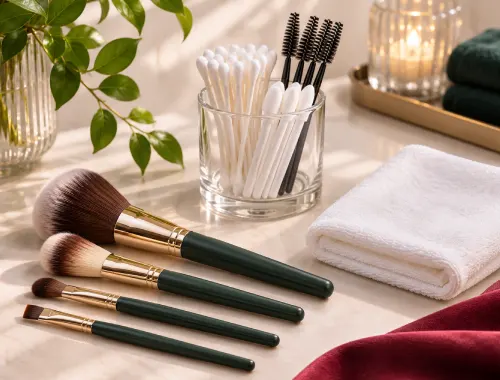
Useful Eye Makeup Hygiene Habits
- Wash your hands before touching your eyelids or applying eye cosmetics.
- Keep mascara wands and eyeliner applicators clean.
- Never add water or saliva to dried mascara.
- Avoid sharing mascara, eyeliner or other eye makeup.
- Use only products intended for application near the eyes.
The US Food and Drug Administration recommends discarding mascara around three months after purchase, rather than continuing to use an old or dried-out product.
If you develop an eye infection, stop using eye cosmetics and seek appropriate medical advice. Discard products used during the infection because they may have become contaminated.
4. Know When to Replace Makeup Products
Cosmetics don’t remain suitable for use indefinitely.
Different formulations have different shelf lives, and the amount of time a product remains usable depends on its ingredients, packaging, storage conditions and handling.
Some products carry expiry dates or a period-after-opening symbol showing how long the manufacturer recommends using them after opening.
Follow the manufacturer’s directions rather than assuming that every foundation, lipstick or powder has the same replacement schedule.
Signs a Product May Need Replacing
Pay attention to noticeable changes such as:
- An unusual or unpleasant smell.
- A significant change in colour.
- Separation that doesn’t return to the product’s normal consistency.
- Unexpected changes in texture.
- Visible contamination or deterioration.
If a product appears spoiled or causes unexpected irritation, stop using it.
Keeping track of when you open cosmetics can make replacement decisions easier, especially for products you use infrequently.
5. Store Your Makeup Properly
Where you keep your cosmetics can affect their condition.
Health Canada advises storing cosmetic products in a dry area away from direct heat and sunlight.
Avoid leaving makeup in a hot vehicle or next to a sunny window for extended periods.
Keep lids and caps securely closed when products aren’t being used.
For products that require special storage conditions, follow the instructions on the packaging.
It’s also helpful to clean your makeup bag periodically. Remove loose powder, spilled products and other residue so that clean brushes aren’t repeatedly placed onto dirty surfaces.
A small amount of organization makes your routine easier while helping you notice products that need replacing.
6. Avoid Sharing Makeup and Applicators
Sharing cosmetics may seem harmless, especially among friends or family members.
However, products that directly contact the skin, lips or eyes can transfer microorganisms between users.
This is particularly important for mascara, lip products, makeup sponges and brushes.
If you’re testing cosmetics at a store, use a fresh disposable applicator rather than applying a shared tester directly to your face.
For personal makeup, the simplest habit is to maintain your own clean tools and avoid exchanging products that contact the skin.
7. Remove Makeup Gently Before Bed
Removing makeup at the end of the day is another useful part of maintaining skin comfort.
Choose a makeup remover or gentle cleanser suited to your skin and the products you’re wearing.
Avoid aggressive rubbing, particularly around your eyes.
If your makeup is difficult to remove, use a suitable remover according to its directions rather than repeatedly scrubbing.
After cleansing, apply moisturizer if your skin needs it.
People with sensitive or acne-prone skin may benefit from choosing non-comedogenic products where appropriate and introducing unfamiliar cosmetics gradually.
If irritation or breakouts persist despite changes to your routine, seek advice from an appropriate healthcare professional.
8. Keep Your Routine Simple and Consistent
You don’t need expensive tools or an elaborate skincare collection to improve your makeup hygiene.
Focus on a few manageable habits:
- Clean brushes regularly and wash reusable sponges after use.
- Wash your hands before applying makeup.
- Check product condition and follow replacement guidance.
- Keep cosmetics closed and stored appropriately.
- Avoid sharing personal makeup products.
- Remove makeup gently and maintain a suitable skincare routine.
A consistent approach is more useful than occasionally attempting a complete makeup collection overhaul.
It’s also worth reviewing your routine whenever you notice increased sensitivity or introduce several new products.
When Should You Ask for Professional Advice?
If makeup regularly causes stinging, persistent redness, swelling or other unusual reactions, stop using the suspected product.
A healthcare professional can help assess ongoing or significant symptoms and determine whether medical treatment is needed.
If you’re considering a professional facial or another cosmetic procedure, discussing your skincare and makeup habits with the practitioner may also be useful.
Some treatments have specific preparation and aftercare requirements, including instructions about when cosmetics can be applied afterward. Always follow the guidance appropriate to your individual procedure.
Explore Personalized Beauty Care in Langley
Good makeup hygiene begins with small everyday choices. Keeping tools clean, caring for your products and understanding your skin’s needs can support a more comfortable beauty routine.
At Jash Beauty Bar, treatments are personally performed by Jash, who offers customized facials, brow and lash treatments, permanent makeup and other aesthetic services.
Jash Beauty Bar is scheduled to begin operating at its Langley location, inside Milica SalonSpa at Unit 100, 20330 88 Avenue, on December 1, 2026.
If you’d like to discuss your beauty goals or explore whether a professional treatment may be suitable, contact Jash Beauty Bar to ask about available treatments, individual suitability and appointment arrangements.